
— Life-changing medicines for patients

Advancing Innovation. Delivering Impact.

Liferna is a clinical and commercial stage biopharmaceutical company advancing novel antibody-based medicines, next-generation cell therapies, and small molecules for patients with oncological, autoimmune, fibrotic, neurological and musculoskeletal diseases. We combine the scientific depth of a discovery organization with the commercial infrastructure of an integrated pharma enterprise – built from the start to deliver transformative medicines faster, more affordably, and at global scale.
— Life-changing medicines for patients

Advancing Innovation. Delivering Impact.

Liferna is a clinical and commercial stage biopharmaceutical company advancing novel antibody-based medicines, next-generation cell therapies, and small molecules for patients with oncological, autoimmune, fibrotic, neurological and musculoskeletal diseases. We combine the scientific depth of a discovery organization with the commercial infrastructure of an integrated pharma enterprise – built from the start to deliver transformative medicines faster, more affordably, and at global scale.
NASDAQ: LFRN
$22.43
▲ +0.85 (3.94%)
May 13, 2026 · Liferna advances LFR-1101 into Phase 2 for Cervical Cancer
— Who We Are

Turning Innovation into Access.

We exist to close the gap between scientific innovation and real-world patient access. Through focused development strategies, sophisticated clinical development, regulatory leadership, commercialization execution, and world-class global partnerships, Liferna is building a differentiated biopharmaceutical company committed to translating best-in-class and first-in-class medicines from development through global patient access. Guided by an uncompromising patient-first commitment, we strive to deliver life-changing medicines to the patients who need them most—at a price they can access.
Agile by Design.
Our Agile Pharma model combines the speed and agility of biotechnology with the execution discipline of an integrated pharmaceutical organization. We identify and selectively acquire rights to differentiated, mid- to late-stage clinical assets from leading global biotechnology ecosystems and efficiently advance them toward approval, launch, and broad patient access across advanced and global markets. This capital-efficient approach reduces development risk, shortens timelines, and delivers transformative medicines to patients faster.
Global Partnerships. Shared Purpose.

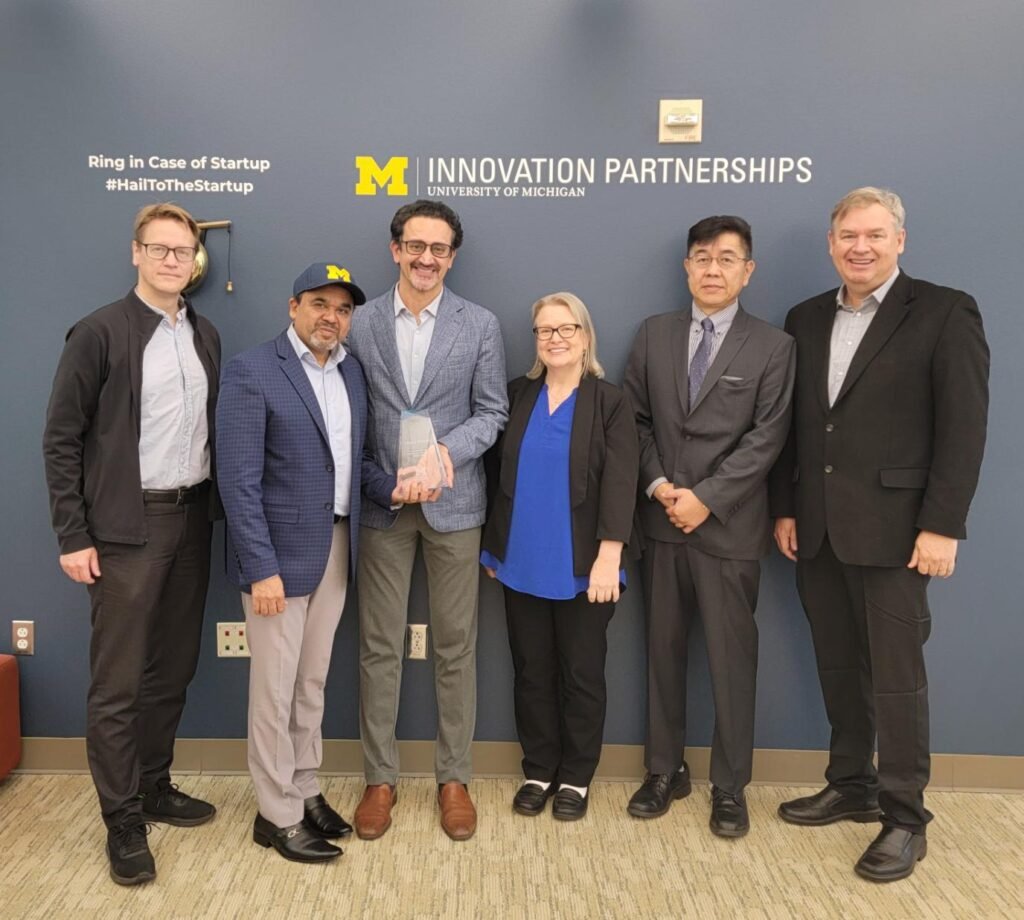
Liferna’s integrated global partner network is designed to accelerate development, expand access, and support long-term commercialization success. Through strategic collaborations with innovators including Bio-Thera Solutions, Cellatoz, and University of Michigan, together with leading contract research, manufacturing, and supply partners (CRO, CMO, and CSO partners — TBD), we bring together scientific expertise, clinical execution, manufacturing excellence, and commercialization capabilities to advance life-changing medicines globally.

Our collaboration model extends beyond development to include regional clinical development support, clinical and commercial supply capabilities for emerging and advanced markets, and a scalable manufacturing strategy designed to strengthen supply continuity and support future global demand. United by a shared commitment to patients, we work across disciplines and geographies to accelerate access to transformative medicines worldwide.

Patient-First. Always.
Every decision we make—from selecting which medicines to pursue to shaping development, commercialization, and access pathways—is guided by a single question: how will this meaningfully improve patients’ lives? Our goal is to bring forward treatment options with the potential to improve outcomes, reduce treatment burden, and expand access through approaches designed to support affordability and long-term patient impact.
— Our Pipeline

A Differentiated Portfolio

LFR-1101
Cervical Cancer (CC)

LFR-1101 LFR-1101 is an investigational humanized anti-PD-1 monoclonal antibody being evaluated for treatment of multiple cancers, including cervical cancer.

About Cervical Cancer (CC)

Cervical cancer is a serious gynecologic malignancy often associated with persistent human papillomavirus (HPV) infection. While current treatment options can provide benefit, patients with advanced or recurrent disease continue to face significant unmet medical needs, highlighting the importance of developing new immunotherapy approaches designed to enhance anti-tumor immune responses.

LFR-1102 (LFR-1101 + TROP2 ADC (BAT8008))
Non-Small Cell Lung Cancer (NSCLC)

LFR-1102 LFR-1102 is an investigational combination therapy consisting of LFR-1101 and a TROP2-directed antibody-drug conjugate (ADC) being evaluated for the treatment of non-small cell lung cancer (NSCLC).

About Non-Small Cell Lung Cancer

Non-small cell lung cancer is the most common form of lung cancer and remains a leading cause of cancer-related mortality worldwide. Although advances in targeted therapies and immunotherapies have improved outcomes for some patients, many individuals with advanced or recurrent disease continue to experience disease progression. Additional treatment options may help address persistent challenges in disease management and improve outcomes for patients living with NSCLC.

LFR-1102 (LFR-1101 + TROP2 ADC (BAT8008))
Triple-Negative Breast Cancer (TNBC)

LFR-1102 LFR-1102 is an investigational combination therapy consisting of LFR-1101 and a TROP2-directed antibody-drug conjugate (ADC) being evaluated for the treatment of triple-negative breast cancer (TNBC).

About Triple-Negative Breast Cancer

Triple-negative breast cancer is an aggressive form of breast cancer associated with a higher risk of recurrence and disease progression compared with many other breast cancer subtypes. Because these tumors do not express estrogen receptors, progesterone receptors, or HER2, treatment options may be limited for some patients with advanced disease. Despite advances in cancer therapy, significant unmet medical need remains, highlighting the importance of developing new treatment approaches designed to improve outcomes for patients with TNBC.

LFR-1103 (LFR-1101 + FRα ADC (BAT8006))
Platinum-Resistant Ovarian Cancer (PROC)

LFR-1103 LFR-1103 is an investigational combination therapy consisting of LFR-1101 and a FRα-directed antibody-drug conjugate (ADC) being evaluated for the treatment of platinum-resistant ovarian cancer (PROC).

About Platinum-Resistant Ovarian Cancer

Ovarian cancer is a serious gynecologic malignancy that is often diagnosed at an advanced stage. Although many patients initially respond to treatment, disease recurrence is common, and treatment options may become increasingly limited as the cancer develops resistance to platinum-based therapies. Platinum-resistant ovarian cancer remains a significant therapeutic challenge, highlighting the need for new treatment approaches designed to improve outcomes for patients with recurrent disease.

LFR-1103 (LFR-1101 + FRα ADC (BAT8006))
Endometrial Cancer (EC)

LFR-1103 LFR-1103 is an investigational combination therapy consisting of LFR-1101 and a FRα-directed antibody-drug conjugate (ADC) being evaluated for the treatment of endometrial cancer (EC).

About Endometrial Cancer

Endometrial cancer is the most common gynecologic cancer in developed countries. While many patients are diagnosed at an early stage, those with advanced, recurrent, or metastatic disease may face a more challenging treatment journey. Despite recent advances in treatment, additional therapeutic options are needed for patients whose disease progresses following standard therapies, highlighting the importance of continued innovation in endometrial cancer care.

LFR-1201
Idiopathic Pulmonary Fibrosis (IPF)

LFR-1201 LFR-1201 is an investigational small molecule therapy being developed through the U.S. FDA’s 505(b)(2) regulatory pathway for the treatment of idiopathic pulmonary fibrosis (IPF).

About Idiopathic Pulmonary Fibrosis

Idiopathic pulmonary fibrosis is a chronic, progressive lung disease characterized by the formation of scar tissue within the lungs. As the disease advances, lung function declines, making it increasingly difficult for patients to breathe and perform everyday activities. IPF is associated with substantial morbidity and mortality, and despite available treatments, many patients continue to experience disease progression. Additional therapeutic options are needed to help address the underlying fibrotic process and improve outcomes for individuals living with IPF.

LFR-1201
Systemic Sclerosis (SSc)

LFR-1201 LFR-1201 is an investigational small molecule therapy being developed through the U.S. FDA’s 505(b)(2) regulatory pathway for patients with systemic sclerosis (SSc).

About Systemic Sclerosis

Systemic sclerosis is a rare chronic autoimmune disease characterized by progressive fibrosis of the skin and internal organs, as well as abnormalities of the blood vessels and immune system. Patients may experience skin thickening, pain, fatigue, reduced mobility, and potentially serious organ involvement that can significantly impact quality of life. Despite available treatment approaches that help manage symptoms and complications, there remains a need for additional therapies that address the underlying disease process and improve outcomes for individuals living with systemic sclerosis.

LFR-1501

Charcot-Marie-Tooth Disease Type 1 (CMT-1)

LFR-1501 LFR-1501 is an investigational neural regenerative progenitor cell (NRPC) therapy being evaluated for the treatment of Charcot-Marie-Tooth Disease Type 1 (CMT-1).

About Charcot-Marie-Tooth Disease Type 1

Charcot-Marie-Tooth Disease Type 1 is a rare inherited neurological disorder that affects the peripheral nerves responsible for muscle movement and sensation. The disease typically causes progressive muscle weakness, sensory loss, balance difficulties, and impaired mobility, which can significantly impact daily activities and quality of life. While supportive therapies may help manage symptoms, there are currently limited treatment options that address the underlying disease process. New therapeutic approaches are needed to help preserve nerve function and improve outcomes for individuals living with CMT-1.

LFR-1501

Diabetic Neuropathy (DN)

LFR-1501 LFR-1501 is an investigational neural regenerative progenitor cell (NRPC) therapy being evaluated for the treatment of diabetic neuropathy (DN).

About Diabetic Neuropathy

Diabetic neuropathy is one of the most common complications of diabetes, resulting from progressive nerve damage associated with chronically elevated blood glucose levels. Patients may experience numbness, tingling, pain, weakness, and loss of sensation, particularly in the feet and lower extremities, which can significantly affect mobility, independence, and quality of life. While currently available treatments may help manage symptoms, additional therapeutic options are needed to address the underlying nerve damage and improve outcomes for individuals living with diabetic neuropathy.

LFR-1502

Osteoarthritis (OA)

LFR-1502 LFR-1502 is an investigational mesenchymal stem/stromal cell (MSSC) therapy being evaluated for the treatment of osteoarthritis (OA).

About Osteoarthritis

Osteoarthritis is the most common form of arthritis and a leading cause of pain, stiffness, and reduced mobility worldwide. The disease is characterized by the progressive degeneration of joint tissues, which can impair physical function and significantly impact quality of life. While currently available treatments may help manage symptoms, many patients continue to experience disease progression and functional decline. Additional therapeutic options are needed to help address the underlying disease process and improve outcomes for individuals living with osteoarthritis.


— Science & Innovation

Technology Platforms

Leveraging biologics and small molecules to target disease pathways with precision — from monoclonal antibodies to next-generation ADCs.
— Our Collaborations

Building Through Partnership

Strong partnerships with academic institutions, biotechnology companies, and global development partners are essential to accelerating transformative medicines.

Bio-Thera

Solutions · 百奥泰

University of Michigan

Ann Arbor

— Our Leadership

Executive Team

— Our Leadership

Board of Directors

— Latest News

Newsroom

Partner With Liferna

We are actively seeking partnerships with companies, academic institutions, and investors who share our commitment to transforming the lives of patients with serious diseases.